Storm Shelters for Texas Homes and Businesses
Underground concrete. Above-ground safe rooms. Garage-floor units. One company handles everything — from quote to final inspection.
Concrete Strength
Shelter Weight
Wind Rating
Installation Time
Choosing the Right Storm Shelter
Not every property is the same. Soil conditions, water table depth, yard access, household mobility needs, and budget all factor into which shelter type makes sense. The goal is always the same — a tested, engineered space that protects your family when an EF5 tornado hits.
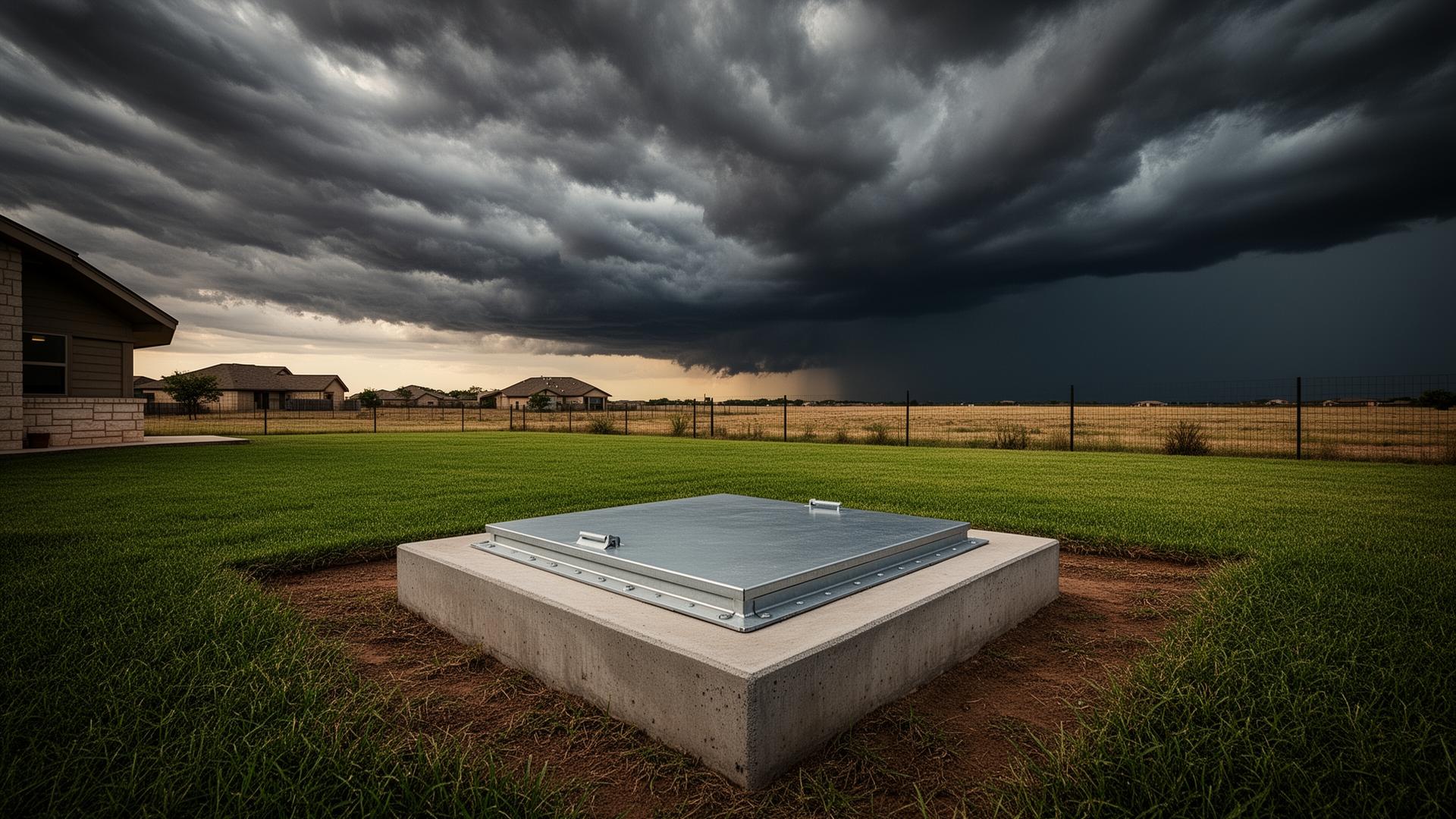
In West Texas, underground concrete is the gold standard. Low water tables across the South Plains, stable soil conditions (even with the caliche layer), and wide-open properties make excavation straightforward. That's why the majority of our installations are below-ground.
But we know every situation is different. Here's how the three main shelter types compare — and why we recommend what we recommend. Read the full comparison →
Storm Shelter Types
Underground / Below-Ground
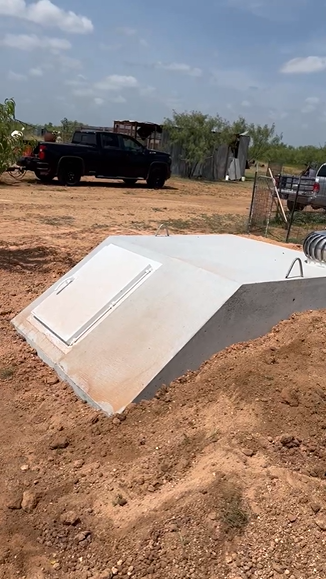
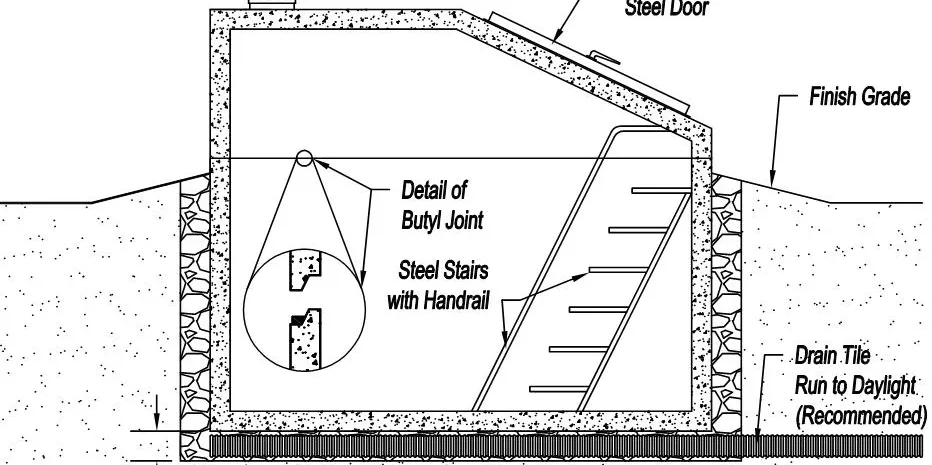
Our SpecialtyOur specialty. Pre-cast concrete shelters set below grade, shielded by the earth itself. Maximum protection against EF5 tornadoes. 5,000 PSI concrete with rebar reinforcement.
See Underground SheltersAbove-Ground Safe Rooms
Bolt-down steel or concrete rooms installed in a garage, closet, or exterior wall. A solid option when excavation isn't feasible — high water table, mobility concerns, or no yard access.
Learn About Above-GroundGarage Floor Units
Installed beneath an existing or new garage slab. The shelter sits below the floor with a flush-mount hatch. Minimal yard disruption. Popular for new construction.
Explore Garage OptionsWhy We Specialize in Underground Concrete
A tornado generates two forces that destroy buildings: horizontal wind pressure and vertical uplift. Above-ground structures — even reinforced ones — must resist both simultaneously. An underground shelter only needs to handle debris impact on the hatch. The earth handles everything else.
Steel shelters flex. Fiberglass can crack under high-velocity debris impact. Concrete at 5,000 PSI with ½-inch rebar and 10-gauge steel mesh does neither. It absorbs energy and resists deformation. That's material science, not marketing.
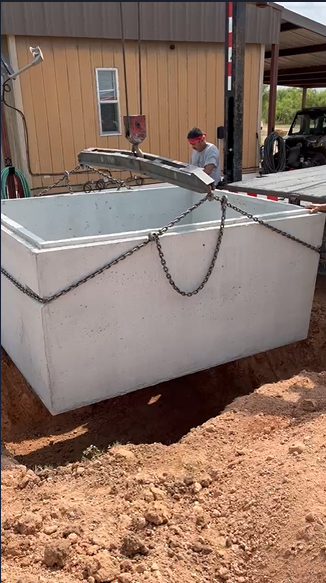
Our shelters weigh approximately 15,000 pounds. They don't shift in saturated soil. They don't rely on anchor bolts driven into a garage slab. The mass itself is the anchor.
Quick Comparison
| Feature | Underground | Above-Ground | Garage Floor |
|---|---|---|---|
| Wind Rating | EF5 | EF5 | EF5 |
| Debris Protection | Maximum | High | High |
| Requires Excavation | Yes | No | Yes (slab cut) |
| Accessibility | Steps/Hatch | Walk-in | Steps/Hatch |
| Yard Impact | Minimal after grading | Visible structure | None (inside garage) |
| Cost Range (TX) | $5,000–$12,000 | $3,000–$12,000 | $3,000–$9,000 |
| Best For | Maximum protection | Mobility needs | No yard access |
Recent Installations